The Best Ergonomic Home Office Setup for Freelancers: Reducing Neck Pain and Eye Strain for Long Sessions
The Best Ergonomic Home Office Setup for Freelancers: Reducing Neck Pain and Eye Strain for Long Sessions
Freelancing often means working for extended periods of time at a desk, which may result in persistent neck pain, eye strain, and overall discomfort if the home office is not structured in the appropriate manner. Freelancers, in contrast to those working in typical workplaces, may not have access to workstations that have been built by professionals. As a result, it is essential for them to independently build an ergonomic environment. In the year 2026, developments in furniture, monitor technology, and accessories provide advantages that make it possible to reduce strain while still retaining productivity. The prevention of physical problems, as well as improvements in concentration, workflow productivity, and general well-being, are all enhanced by a workstation that has been intelligently planned.
Comprehending the importance of ergonomics in the home office
Ergonomics is the study of creating work settings that are comfortable for the human body, as opposed to pushing the body to adapt to equipment that is not suitable for its intended purpose. Ergonomics that are done correctly alleviate tension on the muscles and joints, encourage natural posture, and protect against injuries caused by repeated strain. Seating, desk height, monitor location, illumination, and accessory placement are all aspects that fall under this category for freelancers. A considerable reduction in weariness during lengthy work periods may be achieved with the implementation of even minor alterations, such as tilting a keyboard or lifting a display. To begin the process of developing a workstation that is both healthy and sustainable, the first step is to acquire an understanding of the concepts of ergonomics.
Selecting the Appropriate Chair and Workstation
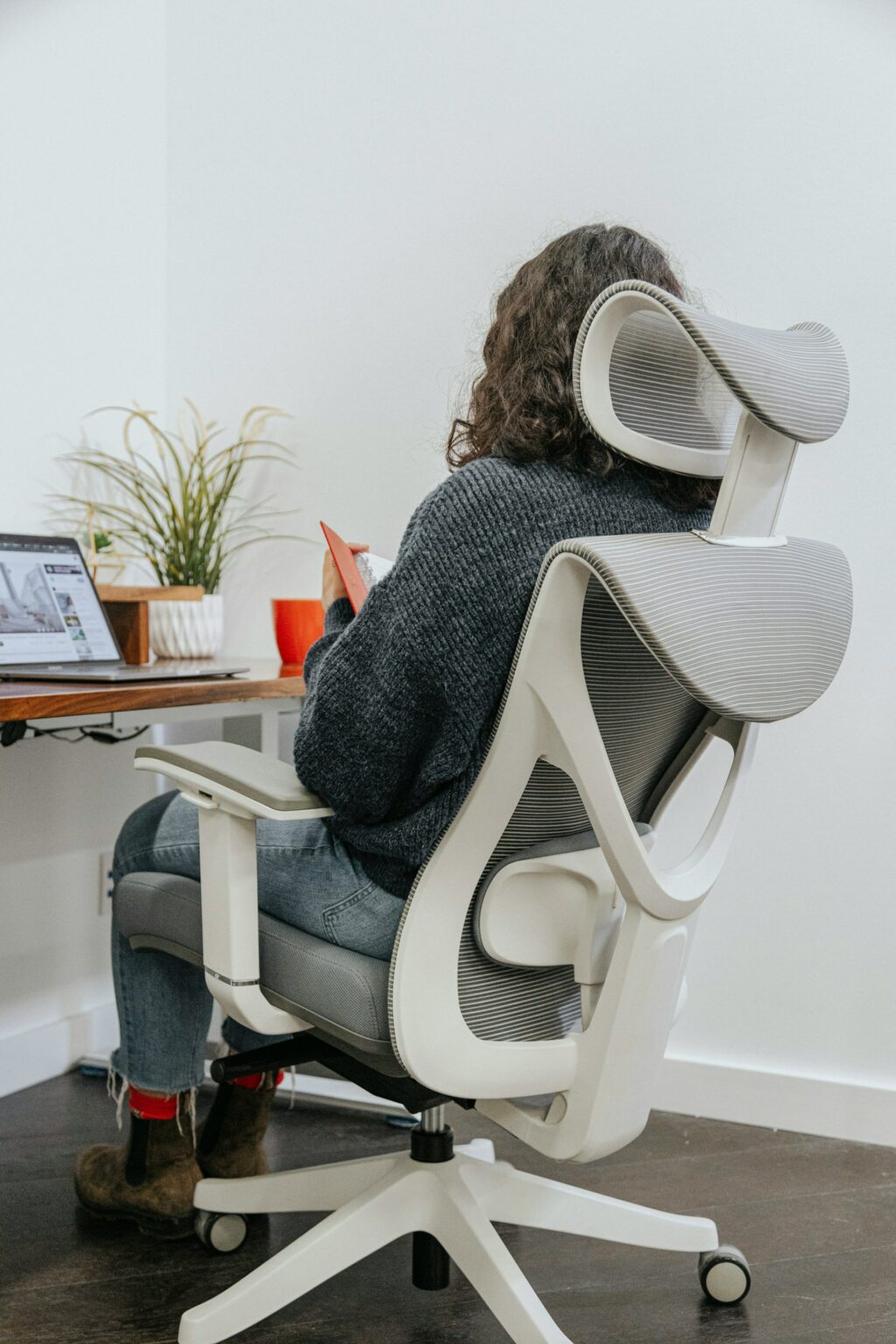
In order to create an ergonomic environment, the combination of a chair and a desk is essential. As a means of accommodating natural spine alignment, chairs have to be equipped with lumbar support, seat height, and armrests that may be adjusted. Alternating between sitting and standing postures at a desk that has a height that can be adjusted provides for a reduction in the amount of cumulative pressure that is placed on the lower back. When the chair, desk, and monitor are proportioned appropriately, it is possible to achieve neutral postures, which are characterized by elbows, knees, and hips that are at about 90-degree angles. During extended durations of work, making an investment in high-quality chairs and a desk that is both solid and flexible may help reduce long-term pain and increase concentration.
Placement of the Monitor and Comfort for the Eyes
The height and distance of the display are two of the most significant factors that contribute to eye strain and neck ache. It is recommended that the top of the screen be at or slightly below eye level, and that the monitor be positioned around an arm’s length away from the target’s face. The glare, brightness, and color temperature of the screen are other factors that influence eye comfort, particularly over extended periods of time spent editing or coding. The use of adjustable monitor stands, anti-glare filters, and ambient lighting to diminish high-contrast reflections may help freelancers lessen the amount of strain they experience throughout their work. Screen positioning that is done correctly supports an upright posture and prevents the head from leaning forward.
Configuration of the Keyboard and Mouse
When you place your keyboard and mouse, you are directly affecting your wrists, shoulders, and forearms. Wrists should be maintained in a neutral position rather than bent upward or downward, and they should be positioned such that they are near enough to the body to prevent overreaching. Ergonomic keyboards and mouse assist to preserve the natural alignment of the hands and limit the risk of injuries caused by repeated strain. Rests for the wrist and platforms that may be adjusted can provide further pressure relief. It is especially important for freelancers who write a lot or conduct precise cursor movements to pay consistent attention to placement since it helps minimize the accumulation of tension over periods of time.
The Importance of Lighting and Environment in Productivity
The illumination in a home office may cause eye strain as well as adversely impair mental function. Both strong shadows and glare may be mitigated by using a mix of ambient lighting and task illumination. The use of blinds or shades that can be adjusted to minimize direct glare is an excellent way to bring natural light into balance. It is also possible for freelancers to make use of color-corrected LED lighting in order to lessen the effects of eye strain and to provide adequate visibility across all displays. By keeping the surroundings clutter-free, peaceful, and visually appealing, one may improve their ability to concentrate while also complimenting their selection of ergonomic equipment.
Accessories that are both comfortable and supportive of posture
Comfort over a longer period of time is improved by additional ergonomic accessories. Footrests support correct leg alignment, and document holders limit the amount of neck movement that occurs at regular intervals. For the purpose of preventing uncomfortable reaches and postural strain, monitor arms, laptop risers, and cable management solutions are all useful. The use of noise-cancelling headphones helps freelancers concentrate without having to lean forward, since they limit the number of aural disturbances. Every item makes a very little contribution toward creating a home office environment that is healthier and more environmentally friendly.
Movement and periods of rest are included.
Even with the most ergonomically sound system, movement cannot be replaced. The practice of scheduling frequent pauses to stand, stretch, or walk may help minimize muscular tiredness and improve circulation. Freelancers should make this a part of their calendar. It is possible to avoid stress from building up in the neck, shoulders, and back by doing posture resets and exercises at the desk at consistent intervals. The use of flexible desks is complemented by the practice of alternating between sat and standing postures throughout the day. This practice also promotes general wellbeing. It is possible to get the greatest decrease in pain by combining an ergonomic workspace with physical activity.
The Long-Term Advantages of Having a Home Office That Is Well-Designed
Long-term advantages to one’s physical health, emotional health, and professional life may be obtained by investing in ergonomic design. When pain and tension are reduced, freelancers are able to work for longer periods of time, more comfortably, and with more concentration. An setting that is well-organized and professional not only enhances the way customers perceive the business but also fosters constant workflow efficiency. By placing an emphasis on ergonomics, freelancers may reduce the risk of developing chronic ailments, boost their productivity, and establish a sustainable workplace that can adapt to their changing requirements. Not only is a well-planned home office a convenient option, but it also serves as a solid basis for long-term success in the freelance industry.