How Local Computing Is Making a Comeback Alongside Cloud Services
How Local Computing Is Making a Comeback Alongside Cloud Services
Over the last several years, cloud computing has been the dominant force in the digital environment. It provides freelancers and independent workers with the opportunity to access resources remotely, as well as flexibility and scalability. Local computing, on the other hand, is witnessing a renaissance as users become more aware of the distinct benefits it offers, especially for activities that need high speed, low latency, or the efficient handling of sensitive data. Instead of cloud services being replaced by local computing, local computing is increasingly being used to complement them. This results in hybrid workflows that strike a balance between speed, control, and accessibility. This pattern demonstrates a rising appreciation for the ease of cloud-based computing in conjunction with on-device processing services.
Recognizing the Concept of Local Computing
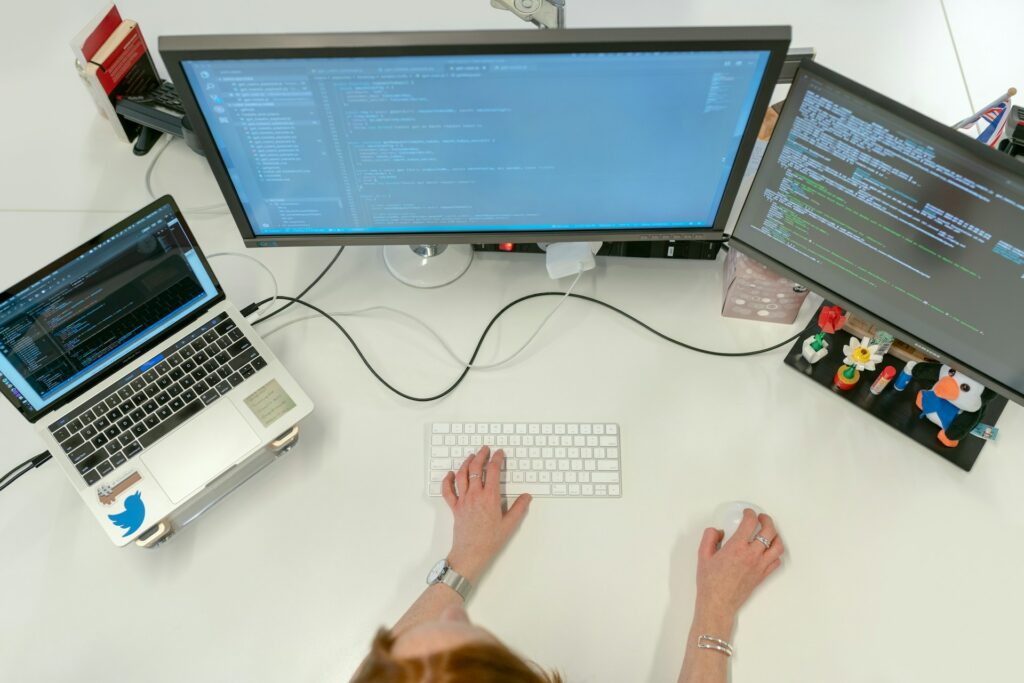
Desktop computers, laptops, and local servers are all examples of local computing. Local computing is the act of executing data processing and application execution directly on the hardware that belongs to the user. In contrast to cloud computing, which is dependent on distant servers, local computing lets users have instant access to resources and gives them complete control over the performance of the system as well as the data. This solution offers freelancers improved responsiveness and security, as well as the capability to execute programs that need a significant amount of resources without requiring those apps to be connected to a network. Working professionals are better able to build effective hybrid workflows when they have a better understanding of the benefits and drawbacks of local computing.
Complementing Services Provided at Cloud
Local computing is increasingly being included into hybrid models, rather than competing with cloud-based solutions. Cloud services allow freelancers to store data, collaborate with others, and back up their data while still completing jobs that need a significant amount of processing power locally. Through the use of this technique, latency is decreased, dependency on internet speed is minimized, and performance is enhanced for activities such as video editing, rendering in three dimensions, and software development. In order to strike a balance between efficiency, flexibility, and security, hybrid workflows take use of the best of both worlds.
Improvements in both Performance and Speed
There are huge benefits to be gained in terms of speed and performance from local computing. When data is processed on the device itself, delays that are caused by network latency or server congestion are eliminated. The ability to do quick processing is beneficial for freelancers who deal with big media files, sophisticated simulations, or real-time analytics. Professionals are able to preserve their productivity and lessen the aggravation that is associated with delayed cloud-based performance that they experience by keeping key workloads local. Because of this, local computing is especially useful for artistic and technical endeavors that need a high level of demand.
Data Protection and Confidentiality
Some of the reasons for the return to local computing are related to security concerns. It is possible to limit the risk of potential cloud breaches by storing sensitive customer information or proprietary data on local servers. The use of local computing allows for more control over matters pertaining to access, encryption, and backup methods. When it comes to freelancers who deal with private data, combining local computing with selective cloud use guarantees both ease and solid security. The risks that are connected with cloud service disruptions or cyber assaults may also be mitigated by maintaining local backups of key data.
The ability to be flexible and to function offline
Local computing makes it possible to continue working without being dependent on a reliable internet connection, which is an essential component for independent contractors working in regions with poor access. In order to retain their productivity even when they are not connected to the internet, professionals may access tools, data, and programs directly on their devices. After some time has passed, cloud services are able to synchronize changes, which guarantees that data remains consistent without disrupting operations. The ability to adapt to different work contexts while preserving efficiency is made possible for freelancers by this flexibility.
Administration of Expenses and Distribution of Resources
Local computing gives independent contractors the ability to make strategic expenditures in hardware in order to satisfy the needs of certain workloads. When professionals handle intense work on strong local computers, they are able to cut the price of cloud subscriptions and the expenditures associated with data transmission. The budgetary benefits of cloud services are balanced with the performance advantages of local computing via the use of hybrid techniques, which optimize both the distribution of resources and the budget allocation.
Supporting Applications That Are More Specialized
Particular software and applications, especially those that need a high level of computing power or specialized hardware, such as graphics processing units (GPUs) for AI model training, are more suited for local execution than other types of software and apps. Local computing is becoming more popular among freelancers working in creative and technical industries in order to keep control over projects that need a high level of performance. The cloud-based tools for collaboration, storage, and client delivery are complemented by these apps by these applications.
The Long-Term Consequences for Independent Contractors
Freelancers now have the ability to build processes that are fast, adaptable, and secure thanks to the continued rise of local computing in conjunction with cloud services. It is possible for independent professionals to obtain high performance, secure sensitive data, and retain productivity in a variety of contexts if they combine on-device processing with cloud capabilities. Hybrid computing solutions will continue to define successful freelancing operations throughout time. These strategies provide the optimum balance between accessibility, speed, and control in a digital ecosystem that is continually expanding.