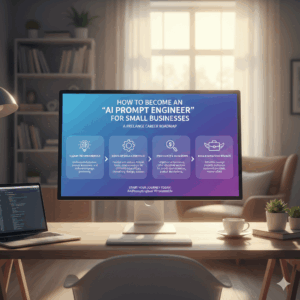
The Future of Personal Computing in an AI-First World
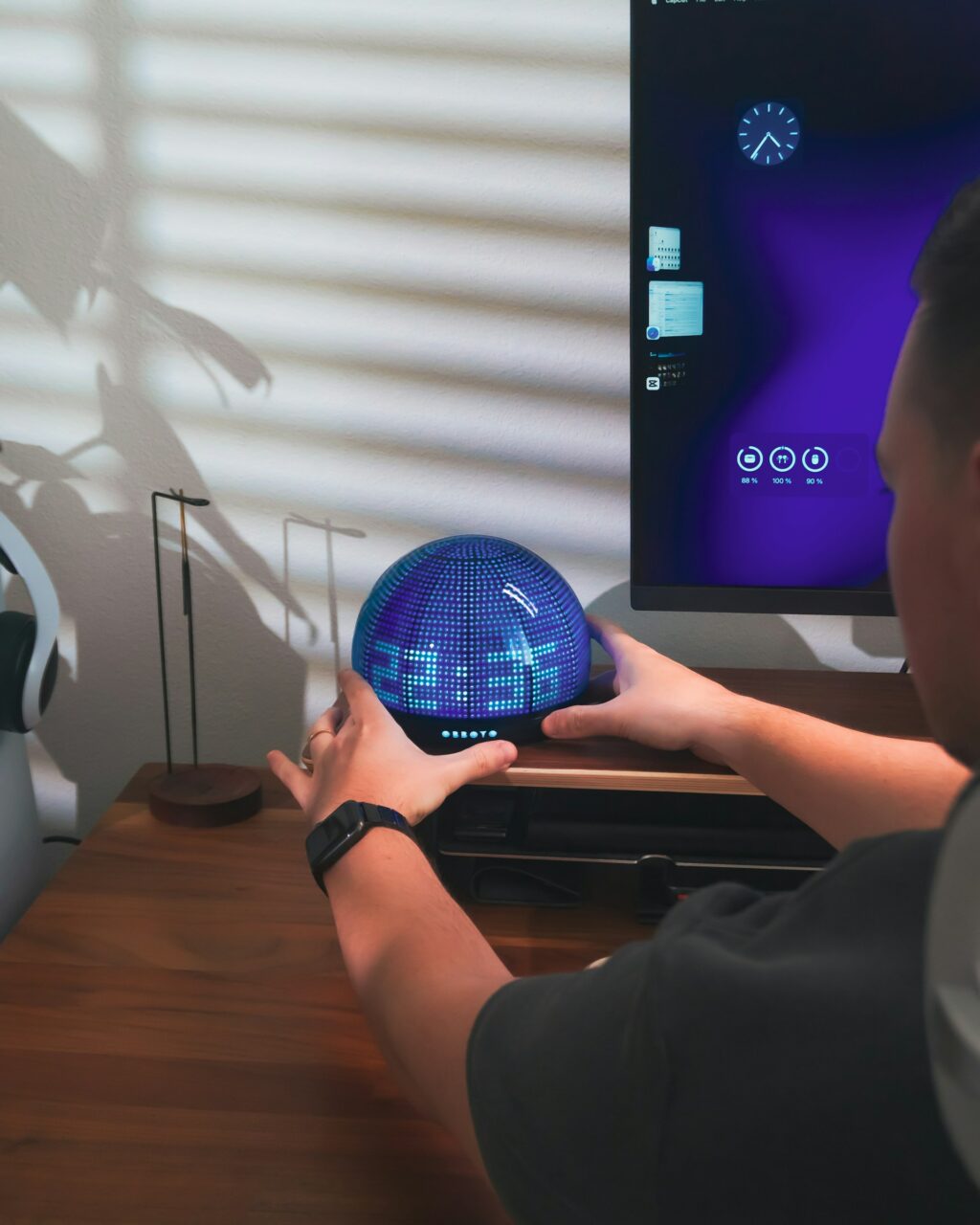
The Future of Personal Computing in an AI-First World
The landscape of personal computing is experiencing a significant upheaval as artificial intelligence (AI) becomes crucial to the design, functioning, and user experience of current devices. This is causing changes in the landscape of personal computing. AI-driven features that automate processes, anticipate user behavior, and boost decision-making are being integrated into traditional computer operations. These features are becoming more prevalent. This method that prioritizes artificial intelligence promises to improve productivity, provide more customized experiences, and make resource management more intelligent for ordinary users, remote workers, and freelancers. Users are changing how they engage with technology as a result of the confluence of artificial intelligence and personal computing, which is also establishing new standards for productivity, creativity, and problem-solving.
Comprehending the Concept of AI-First Personal Computing
Personal computers that are developed with artificial intelligence as its primary component, rather than as an additional feature, are referred to as AI-first personal computing. In order to anticipate user demands, automate regular operations, and enhance system performance, these devices and apps make use of machine learning, natural language processing, and predictive analytics via the use of these technologies. Artificial intelligence-first computing improves usability and customisation across a wide range of software applications, from intelligent operating systems to adaptive software. Freelancers may reap the benefits of AI-driven suggestions, automatic code review, content recommendations, and workflow improvements that cut down on the amount of time spent on monotonous chores.
Workflow Improvements and Automation of Processes
Automation is one of the most immediate effects that will be brought about by AI-first computing. Intelligent algorithms have the ability to handle operations that are repetitive in nature, such as scheduling, organizing files, entering data, and doing basic analysis. The use of artificial intelligence allows professionals and freelancers to concentrate on higher-value activities, such as strategy, innovation, or client interaction, while AI controls everyday operations. This level of automation boosts productivity, decreases the likelihood of errors caused by humans, and makes it possible to manage more complicated tasks in an effective manner.
Assistance with Prediction and Decision-Making capabilities
Personal computing systems that are driven by artificial intelligence are able to forecast user behavior and provide insights that may be put into action. The program may, for instance, make modifications to the design, provide suggestions for ideal project schedules, or detect bottlenecks in resource use. The use of predictive help enables independent contractors to make well-informed choices in a more timely and precise manner. In order to improve both the speed and the quality of job results, artificial intelligence (AI) is able to anticipate demands and provide intelligent assistance.
Adaptive experiences and personalization of experiences
It is possible for AI-first systems to personalize the computing experience for each user. In order to give users with individualized interfaces, shortcuts, and suggestions, applications have the ability to learn preferences, work routines, and habits. Those who are self-employed and manage several customers or projects might benefit from this customization since it lessens the mental burden and increases their productivity. The creation of an environment that is more user-friendly and productive is the result of adaptive experiences, which guarantee that tools improve in tandem with the user’s skill set and other workflow needs.
Integration with Cloud Computing and Computing at the Edge
Personal computing that is powered by artificial intelligence is becoming more integrated with cloud and edge computing technologies. While artificial intelligence in the cloud offers significant processing capabilities and access to vast datasets, artificial intelligence at the edge maintains real-time responsiveness on local devices. Freelancers are able to take use of powerful artificial intelligence capabilities thanks to this combination, without having to sacrifice speed or offline functionality. Infrastructures that use hybrid artificial intelligence allow for seamless collaboration, data analysis, and high-performance computing across a variety of situations.
Strengthening Data Management and Security Management
The use of artificial intelligence in computers also improves data management and security. In order to provide proactive security for sensitive client and personal data, intelligent algorithms are able to identify abnormalities, possible breaches, and suspicious activity in real time. The optimization of storage, data retrieval, and backup procedures is another capability of AI systems. This capability ensures efficiency and reduces the danger of data loss. Freelancers get the benefits of systems that are safe, dependable, and capable of optimizing themselves, which lessen the administrative load of information technology administration.
Enhancement of Creative and Cognitive Capabilities
Beyond its efficiency, artificial intelligence improves creative and cognitive work. The use of personal computer tools may successfully supplement human talents by providing assistance with writing, design, programming, data visualization, and problem-solving. Freelancers have the ability to extend the scope of their work and improve its quality by using artificial intelligence (AI) recommendations, automated content development, and predictive modeling. The acceleration of invention and the ability of autonomous experts to solve increasingly difficult tasks are both facilitated by this cognitive enhancement.
The Long-Term Consequences for Independent Contractors
Putting an emphasis on efficiency, customization, and intelligent automation, the AI-first paradigm is going to completely reimagine the concept of personal computing. Those who work as freelancers and embrace AI-driven solutions have the ability to increase their productivity, keep their competitive advantages, and concentrate on high-value, creative jobs. Computing that is driven by artificial intelligence will, over time, not only make day-to-day operations more efficient, but it will also extend prospects for creativity, collaboration, and professional development. The next generation of personal computing is expected to bring about systems that are more intelligent, more adaptable, and more competent, hence enabling users to do more with less effort.